
Dreams have long been a window into the soul, offering guidance and reflection․ Scholars trace their significance across centuries, weaving spiritual insight with cultural context․ This exploration invites readers to delve into the nuanced art of interpreting nocturnal visions․ Its depth invites awe!!!
Background and Significance of Dream Interpretation in Islam
In Islamic tradition, dreams are considered a vital channel for divine communication, offering believers insights into personal destiny, moral choices, and spiritual growth․ The Qur’an acknowledges the importance of dreams, describing them as a means through which God may convey guidance, warnings, or encouragement․ Scholars have long debated the nature of these nocturnal messages, distinguishing between the “true” dreams that reflect divine intent and the “false” ones that arise from the subconscious or external influences․ The Prophet Muhammad’s own experiences with dreams, as recorded in authentic hadith collections, set a precedent for their interpretation and underscore their legitimacy within the faith․ Consequently, dream interpretation has become an integral part of Islamic spirituality, influencing decision‑making, personal reflection, and communal practices․ By studying the meanings of symbols, the context of the dreamer’s life, and the alignment with Qur’anic principles, believers seek to align their actions with divine will․ This discipline not only fosters a deeper connection with God but also encourages self‑awareness, ethical conduct, and a sense of purpose․ The enduring relevance of dream interpretation in Islam demonstrates its role as a bridge between the earthly and the divine, inviting seekers to explore the mysteries of the night and apply the lessons learned to their daily lives;
This overview highlights the importance of dream interpretation urging believers to seek insight in daily visions․
Historical Context of Islamic Dream Interpretation
Early Islamic scholars, such as Ibn Sirin, compiled dream lexicons․ Over centuries, methods evolved, reflecting theological shifts and cultural exchanges, weaving dreams into spiritual practice and scholarly discourse․PDF guides help․
Early Islamic Sources and Hadith Collections
Islamic dream interpretation finds its roots in the earliest prophetic traditions, where the Prophet Muhammad’s own nocturnal visions were recorded and later transmitted through the chains of narration․ The primary corpus for such studies is the Hadith literature, especially the collections of Sahih al-Bukhari, Sahih Muslim, Sunan Abu Dawood, and Sunan al-Tirmidhi, which contain numerous reports of the Prophet’s dreams and his instructions on their meanings․ Scholars such as Ibn Sirin, who lived in the 9th century, built upon these foundational texts, producing systematic manuals that categorized symbols, identified recurring themes, and linked them to Qur’anic verses and prophetic sayings․ The methodology employed in these early works combined textual analysis with experiential observation, allowing for a quick interpretation framework that could adapt to the evolving cultural milieu of the Islamic world․ Subsequent generations of exegetes expanded upon this base, integrating insights from Sufi mysticism, Arabic folklore, and comparative dream studies, thereby enriching the tapestry․ Today, digital repositories and PDF compilations of these classical treatises provide scholars and laypersons alike with accessible resources to explore the nuanced symbolism embedded in Islamic dream lore!
Notably, the canonical hadiths emphasize the significance of dream content over its form, encouraging believers to seek divine guidance through these nocturnal messages․ The practice of consulting a knowledgeable interpreter, or “mufassir,” became established, with scholars establishing guidelines for verifying dream authenticity, such as cross-referencing with Qur’anic injunctions and ensuring the dreamer’s piety․ Modern digitization projects have preserved these texts, making them searchable and available in PDF format, thereby democratizing access to wisdom․ Dream interpretive
Evolution of Interpretation Practices Through the Ages
From the early centuries of Islam, dream interpretation evolved from simple prophetic anecdotes to structured scholarly treatises․ Initially, the Prophet’s own dreams were recorded in hadith collections, offering direct guidance․ As the Muslim world expanded, scholars like Ibn Sirin compiled systematic manuals, categorizing symbols and linking them to Qur’anic verses․ The medieval period saw the integration of Sufi mysticism, where dreams were viewed as spiritual encounters with the divine, leading to more symbolic and allegorical readings․ During the Ottoman era, dream interpretation became part of popular literature, with printed books and illustrated manuscripts disseminating knowledge to a broader audience․ The 19th and 20th centuries introduced scientific approaches, where psychologists and orientalists studied Islamic dream literature, creating comparative frameworks․ In contemporary times, digital archives and PDF compilations have made classical texts widely available, allowing both scholars and laypeople to access, analyze, and reinterpret dreams within a modern context․ This continuous evolution reflects the dynamic interplay between faith, culture, and intellectual inquiry, ensuring that dream interpretation remains a living tradition that adapts to new horizons․ Scholars today continue to refine these interpretive frameworks, integrating contemporary psychology while preserving the spiritual depth that has guided believers for centuries!!!

Key Concepts in Islamic Dream Interpretation
Dreams are classified as real, prophetic, or uncertain․ Symbols reflect personal, social, and spiritual states․ Scholars link them to Qur’an verses, hadith, and Sufi insights, emphasizing context,intention,and moral lessons It guidestoward insight

Types of Dreams: Real, Prophetic, and Uncertain
In Islamic tradition, dreams are categorized into three primary types, each carrying distinct spiritual significance and interpretive guidelines․ The first category, known as “real” or “true” dreams (Arabic: ru’ya haqiqiyya), is believed to stem from the subconscious mind and often reflects personal experiences, emotions, or future events that are likely to materialize․ Scholars emphasize that real dreams are not considered divine revelations but rather psychological or mundane insights that can serve as warnings or affirmations of one’s current path․ When interpreting these dreams, Islamic scholars recommend cross-referencing the dream’s content with the Qur’an, authentic hadith, and the dreamer’s own life context to discern whether the imagery aligns with moral or ethical teachings․ The second category, “prophetic” dreams (Arabic: ru’ya naqliyya), is regarded as a direct communication from the divine realm․ These dreams often contain symbolic or literal messages that are intended to guide the believer toward a specific action, decision, or spiritual awakening․ Prophetic dreams are typically associated with the Prophet Muhammad’s own experiences, as recorded in the hadith literature, and are considered a rare but powerful source of divine guidance․ Scholars advise that prophetic dreams should be verified by a trusted, knowledgeable individual, and the dreamer should seek to act upon any clear instructions or warnings that arise․ The third and most ambiguous category is “uncertain” dreams (Arabic: ru’ya ghayba), which are neither clearly mundane nor overtly prophetic․ These dreams often contain ambiguous symbols that can be interpreted in multiple ways, depending on the dreamer’s personal circumstances, spiritual state, and cultural background․ Uncertain dreams may serve as a catalyst for self-reflection, prompting the dreamer to evaluate their intentions, relationships, or spiritual commitments․ Scholars caution that uncertain dreams should not be taken as definitive divine messages, but rather as opportunities for introspection and growth
Daily mind!!
Common Symbols and Their Meanings in Islamic Tradition
Islamic dream symbolism is rooted in Qur’anic imagery, prophetic stories, and scholarly analysis․ Certain motifs recur, each carrying spiritual, moral, or psychological significance․ Below is a concise guide to the most frequently cited symbols and their contextual meanings․
- Water: Purity, life, and divine mercy․ Clear water signals spiritual cleansing; stagnant water warns of moral decay․
- Fire: Transformation and divine wrath․ A gentle flame indicates enlightenment; may signal impending judgment․
- Mountains: Stability and divine presence․ Climbing suggests growth; a collapsing mountain warns of arrogance․
- Animals: Each species has symbolism․ A lion denotes courage; a snake warns of deceit; a dove represents peace․
- House: Inner spiritual health․ A well‑maintained home suggests harmony; a dilapidated dwelling indicates neglect of faith․
- Travel: Life’s spiritual quest․ Shows divine guidance; signals confusion․
- Death: Transition or end of a phase․ Death of a loved one evokes grief; death of a self‑image signifies transformation․
- Books: Knowledge and revelation․ Finding a book encourages study; a damaged book warns of misinterpretation․
- Light: Enlightenment and guidance․ Bright light indicates clarity; darkness suggests ignorance․
- Coins: Wealth temptation․ Accumulating coins reflects generosity; sudden loss cautions against greed․
Interpretation should always consider personal context, Qur’anic verses, and authentic hadith for balanced understanding․
Guidance is found in symbols now․

Methodologies for Interpreting Dreams in Islam
Scholars employ a blend of Qur’anic exegesis authentic hadith, and psychological insight․ They assess context, symbolism, and personal circumstances, ensuring interpretations align with divine guidance and avoid superstition and personal growth․ hope․!․
Traditional Scholarly Approaches and Their Principles
Islamic dream interpretation has evolved through rigorous scholarly traditions that blend scriptural authority with systematic methodology․ The foundation rests on the Qur’an’s acknowledgment of dreams as a form of divine communication, complemented by the Prophet’s guidance in authentic hadith collections․ Scholars such as Ibn Sirin, Al‑Qushayri, and Al‑Kashani codified interpretive frameworks that emphasize contextual fidelity, linguistic precision, and relevance․ Their principles include:
- Verification of the dreamer’s sincerity and piety, ensuring the dream’s spiritual legitimacy․
- Cross‑referencing dream symbols with Qur’anic verses and prophetic narrations to establish theological consistency․
- Assessing the dream’s emotional tone and personal circumstances, recognizing that individual experience shapes symbolic meaning․
- Distinguishing between prophetic dreams, which carry prophetic significance, and ordinary dreams, which reflect subconscious processing․
- Applying a cautious, non‑excessive interpretive stance that avoids superstition while honoring the dream’s potential guidance․
These methodologies are taught in traditional madrasas and contemporary Islamic studies programs, often accompanied by annotated PDF compilations that preserve the scholarly lineage․ By adhering to these principles, interpreters aim to provide clarity, spiritual insight, and ethical direction for believers navigating the nocturnal realm․
Finding Reliable PDF Resources on Islamic Dream Interpretation
Seek academic repositories, university libraries, and reputable Islamic institutions offering downloadable PDFs․ Verify authorship, cross‑check citations, and prioritize works cited in scholarly journals to ensure authenticity and depth․!
Reputable Institutions and Online Libraries
When searching for trustworthy PDFs on Islamic dream interpretation, prioritize institutions that combine scholarly rigor with accessible digital archives․ Leading universities with dedicated Islamic studies departments often host faculty‑curated collections․ National libraries and cultural ministries publish digitized manuscripts that have been peer‑reviewed and annotated for modern readers․
- Al‑Mawrid Digital Library – Offers a curated selection of classical texts, many translated into English, with searchable metadata and citation tools․
- Islamic Studies Department, University of Oxford – Provides open‑access theses and dissertations on dream symbolism, complete with bibliographies and methodological notes․
- Bibliotheca Arabica – A comprehensive repository of Arabic manuscripts, including early hadith compilations that discuss prophetic dreams․
- Quranic Studies Center, Al‑Azhar University – Hosts a digital archive of commentaries and scholarly treatises on dream interpretation, many available as downloadable PDFs․
- Open Islamic Library (OpenIslamic․org) – Aggregates peer‑reviewed articles, conference proceedings, and classic works, all freely downloadable!!!
By consulting these vetted repositories, scholars can trace the evolution of dream symbolism from early hadith to contemporary scholarship, ensuring that interpretations remain rooted in authentic sources while embracing modern linguistic and cultural contexts!!!
Common Themes and Illustrative Case Studies
Dream narratives often reveal motifs: protection, guidance, or lessons․ Case studies illustrate how believers interpret symbols—such as water representing purification or ladder signifying spiritual ascent—aligning personal experience with prophetic
Prophetic Dreams and Their Spiritual Implications
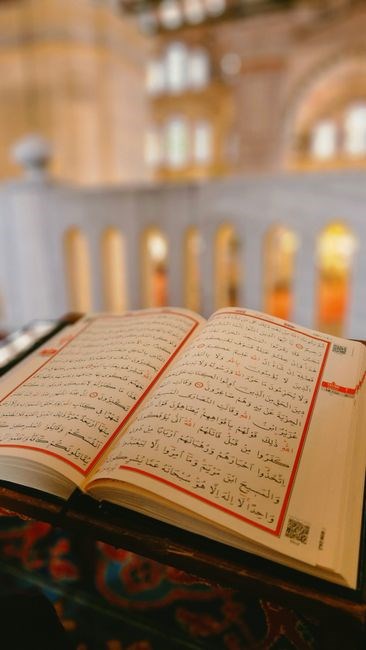
Prophetic dreams, or ru’ya, are considered a direct channel of divine revelation in Islamic tradition․ Scholars emphasize that these visions are distinct from ordinary dreams, often containing symbolic imagery that points to future events, moral lessons, or spiritual guidance․ The Prophet Muhammad (peace be upon him) reported numerous instances where he received ru’ya that foretold significant occurrences, such as the conquest of Mecca or the spread of Islam across the Arabian Peninsula․ In these accounts, the dreamer is typically guided to act upon the message, whether by preparing for a battle, offering charity, or strengthening faith․ Islamic jurisprudence treats prophetic dreams with a high level of respect, encouraging believers to seek interpretation from knowledgeable scholars who are versed in the Hadith and Qur’anic contexts․ The spiritual implications are profound: to the faith, provide reassurance during times of uncertainty, and serve as a reminder of God’s omniscience․ Moreover, such dreams often carry an element of taqwa (piety), urging the individual to remain conscious of divine presence in everyday life․ The interpretive process typically involves cross-referencing the dream’s symbols with established tafsir literature, ensuring that the meaning aligns with the broader theological framework․ Ultimately, prophetic dreams are viewed as a bridge between the temporal world and the divine, offering believers a unique opportunity to align their actions with a higher purpose․

and Further Reading
In closing, the study of Islamic dream interpretation remains a vibrant field that bridges ancient wisdom with contemporary․ Scholars, both traditional and modern, continue to refine methodologies, ensuring that interpretations respect the sanctity of the prophetic tradition while addressing the evolving needs of believers․ The digital age has opened new avenues for accessing primary texts, scholarly commentaries, making the discipline more accessible than ever before․ Researchers are encouraged to consult reputable institutions, such as university libraries and established online repositories, to locate authentic PDFs and critical editions of foundational works․ Engaging with peer-reviewed journals and interdisciplinary conferences further enriches one’s understanding of the theological, symbolism․ For those seeking deeper insight, recommended readings include seminal treatises on ru’ya by classical scholars, contemporary analyses that integrate cognitive science, and comparative studies that situate Islamic perspectives within global dream research․ Ultimately, the pursuit of knowledge in this domain is an act of devotion, inviting believers to explore the mysteries of the night with humility, curiosity, and reverence․ May your journey through the realm of dreams be guided by wisdom and illuminated by faith․ May the insights you gain illuminate your path, enrich your faith, and inspire kind action for the betterment of all․for for seekers! for!!!!!??