
The Die Hard Battery Charger Instruction Manual provides essential guidelines for safe and efficient battery charging; It emphasizes proper polarity checks, connection methods, and precautions to avoid hazards․ Ensure you follow these steps carefully for optimal performance and longevity․
1․1 Overview of the Die Hard Battery Charger
The Die Hard Battery Charger is designed to maintain and restore battery health efficiently․ It ensures optimal charging through advanced features like polarity checks, adjustable charge modes, and protection against overcharging․ This charger is perfect for maintaining vehicle batteries, offering reliable performance and longevity․ Always handle with care to prevent damage or hazards, ensuring safe and effective use․
1․2 Importance of Proper Usage and Maintenance
Proper usage and maintenance of the Die Hard Battery Charger are essential to ensure safe and efficient operation․ Regular inspections and adherence to the manual’s guidelines help prevent potential hazards, such as battery explosions or irreversible damage․ Proper handling, including polarity checks and avoiding exposure to corrosive substances, extends the charger’s lifespan and ensures optimal performance․ Always follow these steps to maintain reliability and safety․

Unboxing and Initial Setup
Ensure all components are included and undamaged․ Refer to the manual for correct connections and polarity checks․ Arrange the power cord and charging leads carefully․ Inspect for any visible damage before use․ Follow the setup guide to ensure proper functionality and safety during charging․
2․1 What’s Included in the Package
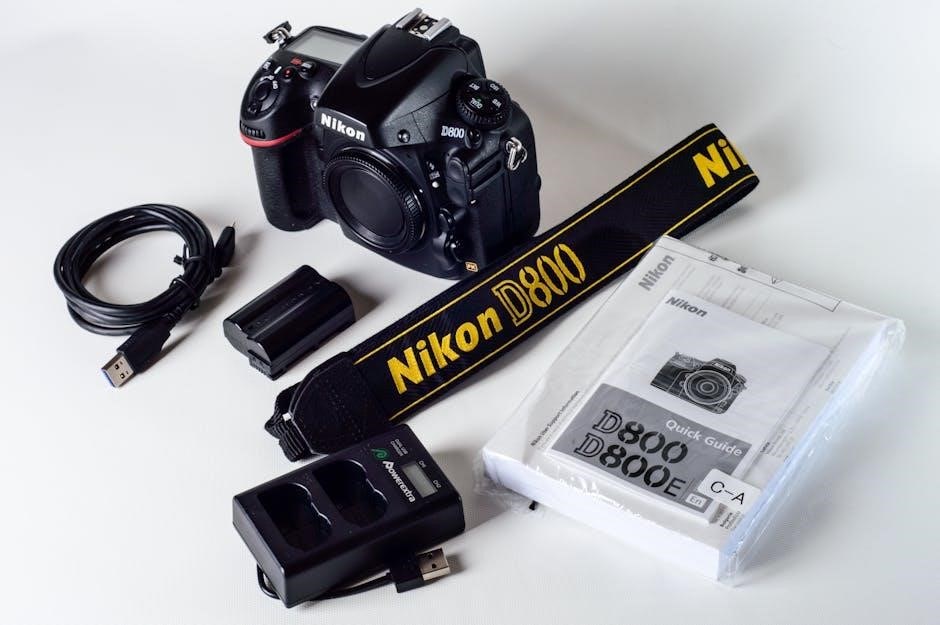
The Die Hard Battery Charger package includes the charger unit, charging leads, and a user manual․ Ensure all components are present․ The charging leads are designed with protective sleeves to prevent damage․ The power cord is securely fastened to the charger․ A detailed manual is provided for installation and operation․ Double-check for any missing or damaged parts before proceeding․
2․2 Step-by-Step Installation Guide
Follow these steps to install your Die Hard Battery Charger:
- 1️⃣ Disconnect the battery and ensure it’s placed on a level surface․
- 2️⃣ Connect the red lead to the positive terminal and the black lead to the negative terminal․
- 3️․tintColor;Adjust the charging parameters according to the manual and battery type․
- 4️⃣ Double-check polarity to prevent damage or malfunction․
- 5️⃣ Plug the power cord into a suitable electrical outlet and ensure it’s securely connected․
- 6️⃣ Turn on the charger and monitor the charging progress closely․
Always keep the unit away from water and maintain a safe distance during operation․

Safety Guidelines
Ensure safe usage by arranging the power cord and charging leads carefully, keeping clear of fan blades, belts, and pulleys․ Check polarity before connecting and avoid exposure to moisture or extreme temperatures to prevent hazards․ Follow all precautions for reliable performance․
3․1 Precautions Before Using the Charger
Ensure the charging area is free of flammable materials and sparks․ Use proper tools and exercise caution near sharp edges․ Avoid placing the charger near fan blades, belts, or moving parts․ Always turn off the vehicle’s ignition before connecting․ Choose a dry, well-ventilated location․ Inspect the battery for damage, and ensure terminals are clean and secure․ Follow all safety instructions for safe operation․
3․2 Proper Handling of the Battery and Charger
Always wear safety goggles and gloves when handling the battery and charger․ Inspect the battery for leaks, cracks, or corrosion․ Ensure terminals are clean and free of debris․ Avoid touching the metal parts of the charger’s leads to prevent electric shock․ Keep the charger away from water or damp areas․ Store the battery and charger in a cool, dry place when not in use․ Follow proper procedures to avoid overcharging and extend the lifespan of your battery․
Charging Process
Connect the Die Hard Battery Charger to your battery, ensuring polarity is correct․ Adjust charging settings based on battery type and condition․ Use built-in monitoring features to track progress and prevent overcharging․4․1 Connecting the Charger to the Battery
Begin by identifying the positive and negative terminals on your battery․ Attach the red clamp to the positive terminal and the black clamp to the negative terminal, ensuring a secure connection․ Avoid touching any metal surfaces during clamping to prevent accidental sparks․ Arrange the power cord and charging leads carefully to avoid tangling or hazards during operation․
4․2 Setting Up the Charging Parameters
Select the appropriate charging mode for your battery type․ Use the control panel to set the desired voltage and amperage as specified in the manual․ Always double-check polarity before initiating the charge․ Monitor the digital display to ensure accurate settings․ Avoid touching the terminals or clamps during adjustments․ Proper parameter setup guarantees efficient charging while protecting your battery from damage․ Review all settings carefully to prevent errors and ensure safe operation․
4․3 Monitoring the Charging Progress
Carefully observe the charging progress by checking the voltage, amperage, and temperature readings on the digital display․ Look for steady increases in voltage, indicating proper charging․ If any irregularities or error codes appear, consult the manual for troubleshooting steps․ Avoid touching the battery terminals or charger components during this phase․ Ensure the charging process remains within safe limits to prevent overheating or overcharging․ Regularly monitor the system to confirm everything operates as intended․ Proper oversight ensures the charging process is efficient and secure․
Troubleshooting Common Issues
Identify and resolve common issues by checking connections, ensuring polarity matches, and verifying voltage output․ If the charger fails to start or shows errors, inspect for loose wires or battery compatibility․ Refer to the manual for diagnostic steps or contact support for further assistance․
5․1 Identifying Charging Problems
Common issues with the Die Hard Battery Charger include malfunctioning connections, polarity mismatches, and voltage inconsistencies․ If the charger fails to start or shows error codes, inspect the battery and charger for proper alignment and secure connections․ Malfunctioning LED indicators or unexpected temperature changes may also signal problems․
5․2 Solutions for Common Battery Charger Issues
Loose Connections: Tighten the battery terminals and ensure secure contact between the charger and battery․
Polarity Issues: Double-check polarity to avoid reverse charging; red terminal connects to positive (+), and black to negative (-)․
Voltage Mismatch: Match the charger’s voltage with the battery’s rating to prevent damage․
Battery Health: Replace deeply discharged or sulfated batteries that fail to charge properly․
Charging Cycle: Allow the charger to complete the full cycle and avoid interrupting the process․
Temperature Regulation: Ensure the charger operates in a cool, dry environment to prevent overheating․
Power Supply Check: Verify the input power source is stable and compatible with the charger’s requirements․
5․3 Contacting Support for Further Assistance
If you encounter unresolved issues with your Die Hard Battery Charger, contact customer support for assistance․ Visit the official website or locate the contact information in the instruction manual․ Provide details such as your charger’s model number, any error codes displayed, and a description of the problem․ Support representatives can offer troubleshooting guidance, repair options, or replacement advice․ Contact them via phone, email, or online chat for prompt resolution․

Maintenance and Longevity
Regularly clean the battery charger’s contacts and store it in a dry, safe place to ensure longevity․ Avoid exposing the charger to extreme temperatures or moisture․ Inspect for signs of wear or damage before each use and follow the manufacturer’s guidelines to maintain optimal performance and extend the charger’s lifespan․
6․1 Cleaning and Storage Tips
Regularly clean the Die Hard Battery Charger to maintain efficiency․ Use a soft cloth to wipe down the exterior and connections, ensuring no dust or corrosive materials buildup․ Avoid touching terminals with bare hands to prevent contamination․ Store the charger in a cool, dry place, away from direct sunlight and moisture; Check for loose connections or damage before each use to extend its lifespan and ensure safe operation․
6․2 Extending the Life of Your Charger
To maximize the lifespan of your Die Hard Battery Charger, always use the correct charging settings for your battery type․ Avoid overcharging by monitoring voltage levels and disconnecting once fully charged․ Store the charger in a dry, protected area to prevent corrosion or moisture damage․ Regularly inspect cables and connectors for wear, replacing damaged parts promptly․ Follow recommended charging cycles and avoid exposing the charger to extreme temperatures or vibration․ Proper care ensures reliable performance and longevity․ Remember to handle the charger with care and the manufacturer’s guidelines for optimal use and maintenance․

Advanced Features
The Die Hard Battery Charger offers advanced features like smart charging technology and customizable profiles to optimize performance․ These settings ensure efficient charging while protecting the battery from overcharging․ The system also provides real-time monitoring and alerts for enhanced user convenience and safety․
7․1 Smart Charging TechnologyDie Hard Battery Charger StringUtilizes smart charging technology to optimize performance and safety․ This advanced feature detects battery type and condition, automatically adjusting voltage and current for efficient charging․ Real-time monitoring ensures precise control, preventing overcharging and extending battery life․ Users can customize settings to suit specific needs, enhancing overall efficiency and reliability․
7․2 Customizable Charging Profiles
The Die Hard Battery Charger allows users to create customizable charging profiles tailored to specific battery needs․ This feature enables precise adjustment of charge rates, voltage, and time parameters for different battery types and sizes․ Custom profiles ensure optimal charging, preventing overcharging while maximizing efficiency․ Users can save multiple settings for convenience, making it ideal for diverse applications․ Integrating with smart charging technology, this feature enhances overall performance and safety, ensuring compatibility with various battery configurations․
Emergency andBackup Charging
In emergency situations, the Die Hard Battery Charger offers reliable backup power․ Ensure the charger is accessible and ready to use during power outages or remote events․ Store it in a secure location and test periodically for functionality․ Always follow safety guidelines to avoid hazards․ This feature ensures peace of mind and continuity in critical moments․
8․1 Using the Charger in Emergency Situations
During emergencies, the Die Hard Battery Charger ensures reliable power supply for critical devices․ Always check polarity and secure connections before use․ Place the charger in a safe, well-ventilated area away from water or sharp objects․ In case of malfunctions, consult the instruction manual or contact support․ Prepare a backup plan to handle unforeseen issues, ensuring uninterrupted power during emergencies․ The charger’s durability and advanced features make it ideal for unexpected situations․
Ensure the charger is readily accessible and stored in a secure location․ Periodically test its functionality to guarantee readiness for emergencies․ Familiarize yourself with the manual’s troubleshooting section to address potential issues swiftly․ The Die Hard Battery Charger’s design prioritizes safety and efficiency, providing peace of mind during power outages or remote operations․
8․2 Tips for Outdoor and Remote Locations
When using the Die Hard Battery Charger in outdoor or remote settings, ensure it is placed in a dry, shaded area to protect it from weather conditions․ Secure the charger to a stable surface to prevent accidental movement․ Always double-check connections and polarity to avoid damage to the battery or device․ In remote locations, keep extra cables and adapters handy for versatility․ Test the charger regularly before trips to ensure it functions properly․ Store the charger in a protective case to maintain its durability during travel․ugging

Frequently Asked Questions
Users often inquire about polarity checks, secure connections, and avoiding overcharging for optimal battery life․ Tips include testing the charger before trips, proper storage in protective cases, and regular maintenance to ensure reliability in outdoor or remote locations․
9․1 Common Queries About the Charger
Common queries include how to ensure proper polarity when connecting the charger, the best way to handle sensitive battery terminals, and avoiding overcharging; Users often ask about compatible battery types, safe charging temperatures, and interpreting error codes․ Additionally, instructions on setting charging time, understanding battery health indicators, and troubleshooting minor issues like flickering lights are frequently requested․
9․2 Answers to User Concerns
User concerns about the Die Hard Battery Charger often revolve around safety, efficiency, and troubleshooting․ The manual assures users that proper polarity checks and secure connections are critical to avoid hazards․ It emphasizes the importance of monitoring charging progress and interpreting warning signals correctly․ Additionally, the guide provides clear steps to reset or recalibrate the charger should issues arise․ Users are advised to consult the troubleshooting section for common errors and to contact support for complex problems․

Warranty and Support Information
The Die Hard Battery Charger comes with a limited warranty for 2 years․ Contact support via the website or hotline for assistance․ Be cautious of counterfeit products and ensure purchases are from authorized dealers․
10․1 Understanding the Warranty Period
The Die Hard Battery Charger is backed by a limited warranty for 2 years from the date of purchase․ This warranty covers manufacturing defects and ensures the product meets quality standards․ Check the manual for full details on covered issues, exclusions, and how to submit warranty claims․ Contact authorized service centers for assistance․ Do not use counterfeit batteries or chargers, as this voids the warranty and poses safety risks․ Always purchase from reputable dealers to ensure authenticity and proper warranty coverage․ Maintain proof of purchase for warranty claims․ Be cautious of external repairs, as unauthorized service may invalidate the warranty․
10․2 Accessing Customer Support
If you need assistance with your Die Hard Battery Charger, access customer support by visiting the official website or calling the provided hotline․ Ensure you have the charger’s model number and proof of purchase handy for faster service․ Online resources offer troubleshooting guides, FAQs, and contact forms․ For complex issues, submit detailed queries to customer support via email․ Always follow the instruction manual’s guidelines for polarity checks and proper charging techniques to avoid voiding the warranty or causing damage․ Customer support is available to address concerns and ensure your satisfaction with the product․