
User manual design is crucial for effective communication‚ ensuring users grasp design intent and processes clearly․
Modern manuals‚ often web-based‚ demand rapid updates and cross-browser compatibility for optimal accessibility․
Prioritizing simplicity and clarity‚ like using black Arial text on a white background‚ enhances user comprehension and experience․
The Importance of Effective User Manuals
Effective user manuals are paramount for successful product adoption and minimizing user frustration․ They bridge the gap between complex functionality and user understanding‚ fostering confidence and maximizing product value․ A well-crafted manual isn’t merely a list of features; it’s a guided journey‚ enabling users to achieve their goals efficiently․
Consider the humorous scene from Pixar’s Wall-E – the struggle to interact with a manual highlights the need for clarity․ Poorly designed manuals lead to increased support requests‚ negative reviews‚ and ultimately‚ product abandonment․ Conversely‚ clear‚ concise documentation empowers users‚ reduces support costs‚ and builds brand loyalty․
The written word remains vital in conveying design purpose and user journeys․ Manuals should be task-oriented‚ searchable‚ and well-structured‚ facilitating quick access to relevant information․ They are a direct reflection of a company’s commitment to its users․
Evolution of User Manuals: From Print to Digital
User manuals have undergone a dramatic transformation‚ evolving from bulky‚ static print documents to dynamic‚ interactive digital resources․ Historically‚ manuals were limited by physical constraints – size‚ cost‚ and the difficulty of updates․ Revisions required costly reprints‚ leaving users with outdated information․
The advent of the internet and web applications revolutionized documentation․ Digital manuals offer advantages like instant updates‚ searchability‚ and multimedia integration․ As web apps are constantly evolving‚ documentation must adapt with equal speed․ Responsiveness and cross-browser compatibility are now essential‚ ensuring accessibility across all platforms․
This shift demands a new approach to content creation and maintenance․ Version control and continuous updates are crucial․ Digital formats allow for richer‚ more engaging user experiences‚ moving beyond simple text to include videos‚ interactive tutorials‚ and contextual help․

Understanding Your Audience
Effective user manuals require knowing your users – their skill levels‚ goals‚ and tasks․ Tailoring content to beginners‚ intermediates‚ and experts maximizes comprehension and usability․
Identifying User Skill Levels (Beginner‚ Intermediate‚ Expert)
Accurately gauging user expertise – beginner‚ intermediate‚ or expert – is fundamental to effective user manual design․ Beginners require step-by-step instructions‚ often with visual aids‚ assuming minimal prior knowledge․ Content should be exceptionally clear and avoid technical jargon entirely․ Intermediate users possess some familiarity with the subject matter; manuals can introduce more complex concepts‚ building upon existing understanding‚ and offering troubleshooting guidance․
Experts‚ conversely‚ benefit from concise documentation focusing on advanced features‚ customization options‚ and detailed technical specifications․ They appreciate direct access to information without unnecessary explanations․ A well-designed manual anticipates these varying needs‚ potentially offering tiered documentation or allowing users to select a skill level preference for a tailored experience․ Recognizing these distinctions ensures the manual serves as a valuable resource for all users‚ fostering product adoption and satisfaction․
Defining User Goals and Tasks
Understanding why users interact with a product is paramount in user manual design․ Identifying core user goals – what they aim to achieve – dictates the manual’s structure and content․ Focus should be on task-oriented organization; users seek solutions to specific problems‚ not exhaustive feature lists․ Each section should clearly address a particular task‚ outlining the necessary steps in a logical sequence․
Prioritize documenting common workflows and frequently asked questions․ A well-structured manual anticipates user needs‚ offering direct pathways to solutions․ Keyword research is vital‚ ensuring users can easily locate relevant information through search functionality․ By centering the manual around user tasks‚ rather than product features‚ you create a more intuitive and helpful resource‚ ultimately enhancing user experience and product usability․

Information Architecture & Structure
Effective manuals employ task-oriented organization and modular content‚ ensuring information is easily searchable and digestible for users navigating complex processes․
Task-Oriented Organization
Structuring a user manual around tasks‚ rather than features‚ dramatically improves usability․ Users typically approach documentation with a specific goal in mind – they want to do something․ Therefore‚ organizing content based on these tasks allows them to quickly find the information they need‚ without wading through irrelevant details․
This approach necessitates identifying the core tasks users will perform with the product or service․ Each task should have its own dedicated section‚ clearly outlining the steps involved․ Keywords relevant to these tasks are essential for searchability‚ especially in digital manuals․ A well-structured manual‚ focused on user goals‚ transforms from a daunting reference into a practical guide‚ empowering users to succeed․ This method ensures a positive user experience and reduces frustration․

Modular Content Design
Employing modular content design in user manuals offers significant advantages‚ particularly for complex products or frequently updated documentation․ Breaking down information into self-contained modules – each addressing a specific concept or procedure – promotes reusability and simplifies maintenance․ This approach allows for easy updates; changes to one module don’t necessitate revisions across the entire manual․
Furthermore‚ modularity facilitates content localization and adaptation for different user skill levels․ Modules can be combined and rearranged to create customized documentation sets․ Given the dynamic nature of web applications‚ where engineers can implement changes rapidly‚ modularity is crucial for keeping documentation current․ It ensures user assistance evolves alongside the product‚ maintaining relevance and accuracy․

Visual Design Principles
Effective visual design prioritizes legibility‚ utilizing fonts like Arial or Times New Roman‚ alongside ample white space‚ to create a user-friendly experience․
Typography for Legibility (Arial‚ Times New Roman)
Selecting appropriate typography is paramount in user manual design‚ directly impacting comprehension and reducing user frustration․ The goal isn’t innovation‚ but clarity․ While stylistic choices exist‚ prioritizing readability should always be the guiding principle․ Standard sans-serif fonts‚ such as Arial‚ are generally considered safe and effective due to their clean lines and ease of processing․
However‚ classic serif typefaces like Times New Roman also offer excellent legibility‚ having been specifically designed for extended reading․ These fonts feature small decorative strokes‚ or serifs‚ which can aid the eye in tracking across lines of text․ The key is consistency; choose one typeface and maintain it throughout the manual․ Avoid overly decorative or unusual fonts that may hinder understanding․ Black text on a white background remains a highly effective and accessible combination․
White Space and Layout
Effective use of white space‚ also known as negative space‚ is critical for a user-friendly manual․ Cluttered layouts with dense blocks of text can feel intimidating and discourage users․ Strategic spacing around headings‚ paragraphs‚ images‚ and lists improves readability and allows the eye to rest․

A well-structured layout guides the user through the information logically․ Employing clear headings and subheadings‚ bullet points‚ and numbered lists breaks up text and highlights key information․ Avoid tightly packed pages; generous margins and line spacing enhance visual appeal and comprehension․ Consider the overall visual hierarchy‚ ensuring important elements stand out․ Simplicity is key – a clean‚ uncluttered design promotes a positive user experience and facilitates learning․

Content Creation Best Practices
Prioritize clear‚ concise language‚ avoiding jargon and technical terms whenever possible․ Keep documentation simple to achieve its goal‚ focusing on user understanding and ease of use․
Clear and Concise Language
Employing clear and concise language is paramount in user manual design‚ directly impacting comprehension and user satisfaction․ Avoid lengthy sentences and complex phrasing; instead‚ opt for direct‚ straightforward statements․ Remember‚ the goal is to convey information efficiently‚ not to demonstrate linguistic prowess․ Long blocks of text can feel intimidating and unfriendly‚ hindering the user’s ability to quickly find solutions․
Focus on active voice and eliminate unnecessary words․ Every sentence should serve a purpose‚ contributing to the overall clarity of the manual․ Consider the user’s perspective – what information do they need to know‚ and how can it be presented in the most accessible way? Prioritize simplicity in both content and design‚ ensuring the manual feels inviting rather than overwhelming․ This approach fosters a positive user experience and encourages engagement with the documentation․
Avoiding Jargon and Technical Terms
Minimizing jargon and overly technical terms is essential for creating inclusive and accessible user manuals․ Assume your audience possesses varying levels of expertise; avoid language that might exclude or confuse less experienced users․ When technical terms are unavoidable‚ provide clear and concise definitions‚ ideally within the text itself or in a dedicated glossary․
Prioritize plain language and focus on explaining concepts in a way that is easily understandable to a broad audience․ Remember‚ the purpose of a user manual is to empower users‚ not to showcase technical knowledge․ Keep documentation as simple as possible to achieve its goal․ A well-written manual should guide users through processes without requiring specialized knowledge‚ fostering confidence and independent problem-solving․

Digital User Manual Considerations
Digital manuals require responsiveness across browsers and devices‚ alongside robust searchability utilizing relevant keywords for quick access to information and assistance․
Responsiveness and Cross-Browser Compatibility
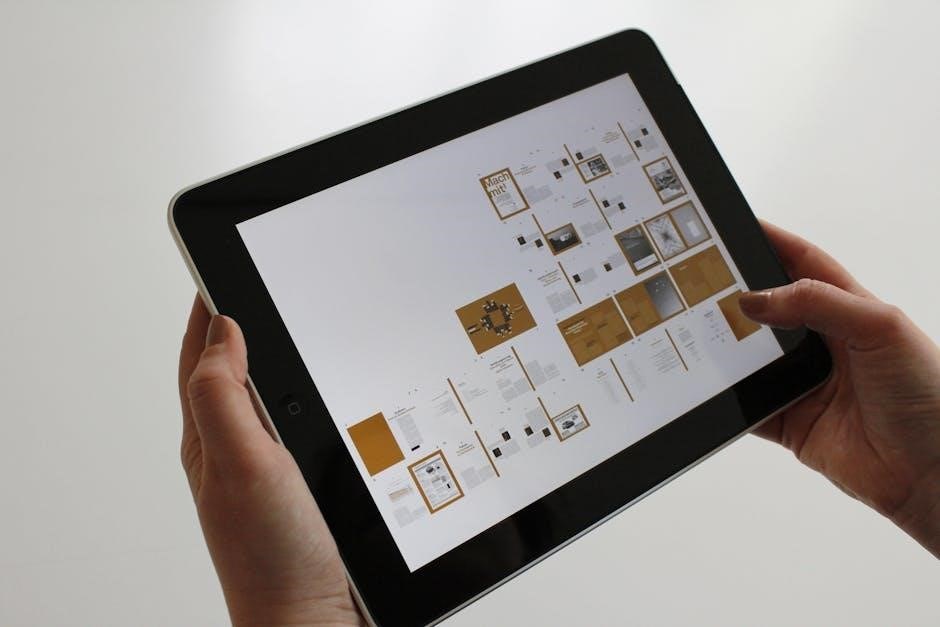
Ensuring a seamless user experience demands that digital user manuals are fully responsive‚ adapting flawlessly to various screen sizes and devices – from desktops and laptops to tablets and smartphones․ This adaptability is paramount in today’s multi-device world‚ where users expect consistent access to information regardless of their chosen platform․
However‚ responsiveness is only half the battle․ Cross-browser compatibility is equally critical․ Because a web application can run on multiple browsers‚ user assistance must be consistently available in every environment where the application might function․ Thorough testing across popular browsers like Chrome‚ Firefox‚ Safari‚ and Edge is essential to identify and resolve any rendering or functionality issues․
Ignoring these considerations can lead to frustration and abandonment‚ ultimately diminishing the effectiveness of the user manual and negatively impacting the overall user experience․ A well-designed digital manual prioritizes accessibility and consistency across all platforms․
Searchability and Keywords
Effective user manuals aren’t just read cover-to-cover; they’re frequently searched․ Therefore‚ robust search functionality is vital․ This necessitates a well-structured manual employing task-oriented keywords throughout the content․ These keywords should directly reflect the tasks users are trying to accomplish‚ enabling them to quickly locate relevant information․
Strategic keyword implementation extends beyond simple inclusion․ Content should be organized logically‚ with clear headings and subheadings that incorporate these searchable terms․ A comprehensive index and a powerful search engine within the manual are also essential components․
Remember‚ a manual is most useful when users can swiftly find answers to their specific questions․ Prioritizing searchability transforms a static document into a dynamic‚ problem-solving resource‚ greatly enhancing user satisfaction and reducing support requests․

Updating and Maintaining User Manuals
Regular updates and version control are essential for accuracy‚ reflecting changes in the product․
User feedback should be actively incorporated to improve clarity and address usability issues consistently․
Version Control and Documentation Updates
Maintaining meticulous version control is paramount in user manual design‚ especially with frequently updated web applications․ Because engineers can modify web apps at any moment‚ documentation must evolve at a comparable pace․ A robust system—perhaps utilizing Git or similar tools—tracks every change‚ allowing for easy rollback to previous versions if needed․
Each update should be clearly documented‚ noting the date‚ author‚ and specific modifications made․ This transparency is vital for internal teams and‚ potentially‚ for users accessing revision histories․ Regular scheduled reviews of the manual content are also crucial‚ ensuring accuracy and relevance․
Furthermore‚ automated update notifications can alert users to significant changes‚ preventing confusion and promoting adoption of the latest information․ Effective version control isn’t merely about tracking changes; it’s about safeguarding the integrity and usability of the user manual itself․
Incorporating User Feedback
Actively soliciting and integrating user feedback is essential for refining user manual design․ This process transforms documentation from a developer-centric resource into a truly user-focused guide․ Implement mechanisms for users to easily submit comments‚ suggestions‚ or report inaccuracies – forms‚ email addresses‚ or integrated feedback buttons within the digital manual are effective options․
Analyzing this feedback reveals pain points‚ areas of confusion‚ and opportunities for improvement․ Prioritize addressing frequently reported issues and incorporate user suggestions whenever feasible․
Demonstrating responsiveness to feedback builds trust and encourages continued engagement․ Acknowledge user contributions and clearly communicate how their input has influenced updates to the manual․ This iterative approach ensures the documentation remains relevant‚ helpful‚ and aligned with actual user needs‚ ultimately enhancing the overall user experience․